
Optometric · 22 January 2024
The Importance of Regular Eye Exams: What You Need to Know
Your eyes are not just the windows to your soul; they are also crucial indicators of your overall health. Yet, despite their significance, many individuals overlook the necessity of regular eye exams.
- Published
- 22 January 2024
- Reading time
- 3 minutes
- Written by
- Modern Eye Clinic
- Subject
- Optometric
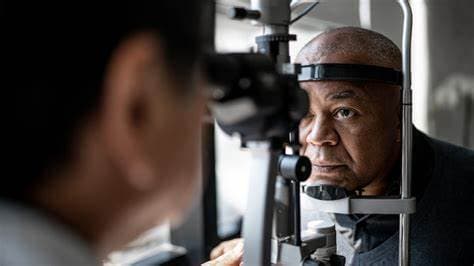
The Importance of Regular Eye Exams: What You Need to Know
Our eyes are not just the windows to our souls but also intricate organs that play a crucial role in our daily lives. However, like any other part of our body, they are susceptible to various conditions that can affect our vision and overall eye health. Understanding these common eye conditions is essential for proactive care and early intervention. Let’s delve into some of the most prevalent ones.
- Refractive Errors: Refractive errors such as nearsightedness (myopia), farsightedness (hyperopia), and astigmatism are widespread. They occur when the shape of the eye prevents light from focusing directly on the retina, leading to blurred vision. Fortunately, corrective lenses or procedures like LASIK can often address these issues effectively.
- Cataracts: Cataracts develop when the natural lens of the eye becomes cloudy, leading to blurred or dim vision. This condition is common among older adults but can also affect younger individuals due to factors like genetics, diabetes, or prolonged exposure to ultraviolet light. Cataract surgery, a safe and routine procedure, involves removing the cloudy lens and replacing it with an artificial one.
- Glaucoma: Glaucoma is a group of eye conditions characterized by damage to the optic nerve, often caused by increased pressure within the eye. It is a leading cause of irreversible blindness worldwide. Regular eye exams are crucial for early detection, as glaucoma typically progresses gradually and without symptoms in its early stages. Treatment aims to lower intraocular pressure and preserve vision.
- Age-related Macular Degeneration (AMD): AMD affects the macula, the central part of the retina responsible for sharp, central vision. It is a leading cause of vision loss in people over 50. While there is no cure for AMD, early detection and lifestyle modifications can help slow its progression. Treatment options include injections, laser therapy, and nutritional supplements.
- Dry Eye Syndrome: Dry eye occurs when the eyes do not produce enough tears or when the tears evaporate too quickly. Symptoms may include stinging, burning, redness, or a sensation of grittiness in the eyes. Management strategies range from artificial tears and lifestyle modifications to prescription medications and in-office procedures.
Understanding these common eye conditions empowers individuals to prioritize their eye health through regular check-ups, lifestyle adjustments, and timely interventions. Remember, early detection and proactive management are key to preserving vision and maintaining optimal eye health throughout life. If you experience any changes in your vision or eye discomfort, don’t hesitate to consult an eye care professional for guidance and personalized care. Your eyesight is precious—let’s work together to protect it.
Aboluwarin
Like This Post
More Posts
Caring for Your Vision: Essential Tips for Maintaining Eye Health in a Digital Age
March 20, 2024
The Importance of Regular Eye Exams: What You Need to Know
January 22, 2024

Maintaining Healthy Vision Through Every Life Stage
December 13, 2023
Topics
Caring for Your Vision: Essential Tips for Maintaining Eye Health in a Digital Age
The Importance of Regular Eye Exams: What You Need to Know
Maintaining Healthy Vision Through Every Life Stage
Advancements in Eye Care Technology: What's Changing the Field
The Impact of Digital Devices on Eye Health: Tips for Prevention
This is general information, not a diagnosis.
Something changed in your vision?
Do not wait for an article to tell you to come in. An examination takes about forty-five minutes.